

CARE GROUP
Enhancing the Environment. Thriving Community

The Tukipo catchment, centred around Ashley Clinton, is home to a strong farming community committed to practical, long-term environmental improvement. Through collaboration and on-the-ground action, the Tukipo Catchment Care Group is making steady progress on water quality, biodiversity, and farm resilience.


Running from the foothills of the Ruahine Ranges, through the Ruahine Plains before joining with the Tukituki River, the Tukipo catchment is home to a wide range of farming systems, including sheep and beef, dairy, deer, poultry and arable.
With this diversity comes a range of impacts on water quality - something landowners are increasingly recognising and addressing through practical, on-farm action.

60 kilometers fencing completed
146,939
Wetland and riparian plants in the ground
72.9 ha
Wetlands restored
31.9 ha
Native forest
established
68 ha
Erosion-prone land planted
41,950 hours
Local employment generated
86.9 km
New fencing installed
Our Journey in Numbers
(2021–2026)
In 2021, the Ministry for the Environment endorsed and supported the Tukipo sub-catchment through the Tukipo Freshwater and Biodiversity Enhancement Project, a four-year initiative. The project was subsequently extended by one year following the impacts of Cyclone Gabrielle.
Our Journey in Numbers


230,000
Native Plants in the Ground


60km
Fencing Completed


40
Wetlands Created

XX Ha
Erosion Control

XX Ha
Pest Control

70
Landowners Involved
The Numbers Tell The Story
(2021–2026)
In 2021, the Ministry for the Environment endorsed and supported the Tukipo sub-catchment through the Tukipo Freshwater and Biodiversity Enhancement Project, a four-year initiative. The project was subsequently extended by one year following the impacts of Cyclone Gabrielle.
146,939
Wetland and riparian plants in the ground
86.9 km
New fencing installed
72.9 ha
Wetlands restored
68 ha
Erosion-prone land planted
31.9 ha
Native forest established
41,950 hours
Local employment generated
A Community Working Together
Over the first five years of the project, more than 70 landowners were involved, contributing their own time, resources and co-investment.
A Community Working Together
Over the first five years of the project, more than 70 landowners were involved, contributing their own time, resources and co-investment.


Explore Our Projects
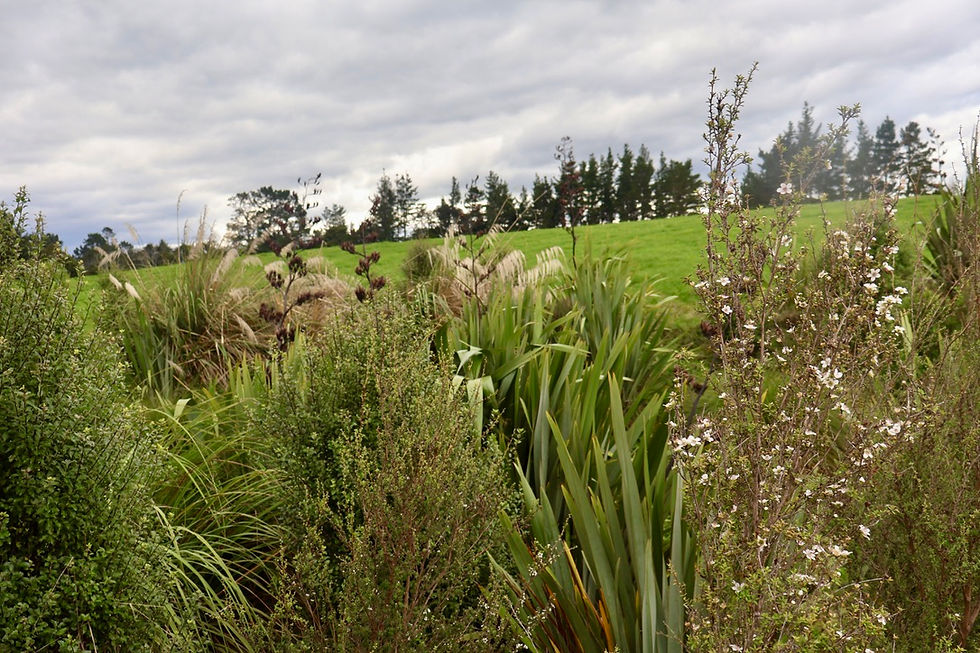
Projects across the catchment reflect a wide range of practical on-farm work from riparian planting and fencing to wetland creation, dam development, agroforestry and trapping.
Projects across the catchment reflect a wide range of practical on-farm work, from riparian planting and fencing to wetland creation, dam development, agroforestry and trapping.
Explore Our Projects

A Community Working Together
Over the first five years of the project, more than 70 landowners were involved, contributing their own time, resources and co-investment.

Explore Our Projects
Projects across the catchment reflect a wide range of practical on-farm work, from riparian planting and fencing to wetland creation, dam development, agroforestry and trapping.

Projects across the catchment reflect a wide range of practical on-farm work, from riparian planting and fencing to wetland creation, dam development, agroforestry and trapping.

